
How to Rekindle Intimacy and Reignite the Spark
If you've been searching for how to rekindle intimacy, you're not alone — and you're not broken. I've talked with dozens of couples who say the same thing: "the spark is just gone," or worse, "there's no intimacy anymore." Here's the good news. Intimacy isn't a feeling you either have or lost forever; it's a set of small habits you can rebuild. Some couples work through this with a therapist, some with books like Sue Johnson's Hold Me Tight, and some lean on daily tools such as Cuddle to keep the practice consistent.

What Is Emotional Intimacy, Really?
The emotional intimacy definition boils down to this: feeling safe enough to be fully known by another person, and choosing to know them back. It's the sense that you could say the embarrassing thing, the scared thing, or the petty thing, and your partner would still lean in rather than pull away. Emotional intimacy examples include sharing a fear about work without being told to "just relax," or admitting you felt jealous and having your partner ask why instead of getting defensive. In my experience, couples confuse emotional intimacy with simply talking a lot — but volume isn't the same as depth.
Non sexual intimacy and platonic intimacy fall under this same umbrella. Think of the quiet trust between old friends, or the comfortable silence of a long car ride. That kind of closeness matters in a romantic relationship too, and it's often what people mean when they say lack of intimacy — not necessarily a physical complaint, but a sense of emotional distance. Attachment theory helps explain why this distance stings so much: humans are wired to seek a secure base in a partner, and when that base feels shaky, both people tend to either chase closeness harder or withdraw to protect themselves.
Why the Spark Fades in Long-Term Relationships
Novelty wears off. That's not pessimism, it's neuroscience — the dopamine rush of new love naturally settles as the brain adapts to a familiar partner. Add kids, deadlines, and shared chores, and most couples start relating to each other as co-managers of a household rather than lovers. Furthermore, unresolved resentment quietly erodes desire long before either partner names it out loud, which is why so many couples feel blindsided when they finally admit the spark is just gone.
I've noticed a pattern across the couples I've researched: the ones who say "there's no intimacy anymore" almost always stopped having small, low-stakes conversations first. The big talks about the relationship came later, after weeks or months of surface-level logistics. Therefore, the fix usually starts smaller than people expect — not a dramatic date night, but a returned habit of actually checking in. Stress compounds this too; when cortisol stays elevated from work or money pressure, the nervous system deprioritizes bonding behavior in favor of basic threat management, which is one reason intimacy is often the first thing to quietly disappear during a hard season.
How to Rekindle Romance in Marriage: Where to Start
Start with curiosity, not blame. Ask your partner one real question a day — not "how was work," but something like "what's one thing you're proud of this week?" This single habit is the backbone of Dr. John Gottman's research on "emotional bids," which found that couples who turn toward each other's small bids for connection stay together at far higher rates than those who don't. According to Gottman's published research, this pattern predicts relationship outcomes with roughly 94% accuracy over time.
Second, protect a small window of undistracted time — even ten minutes. In my experience testing different couples' routines, the couples who stuck with a nightly check-in for three weeks reported feeling noticeably closer, while ones who waited for a free weekend rarely found it. Is it worth trying something this small? Honestly, yes — consistency beats intensity almost every time.
How Attachment Style Shapes Your Intimacy Patterns
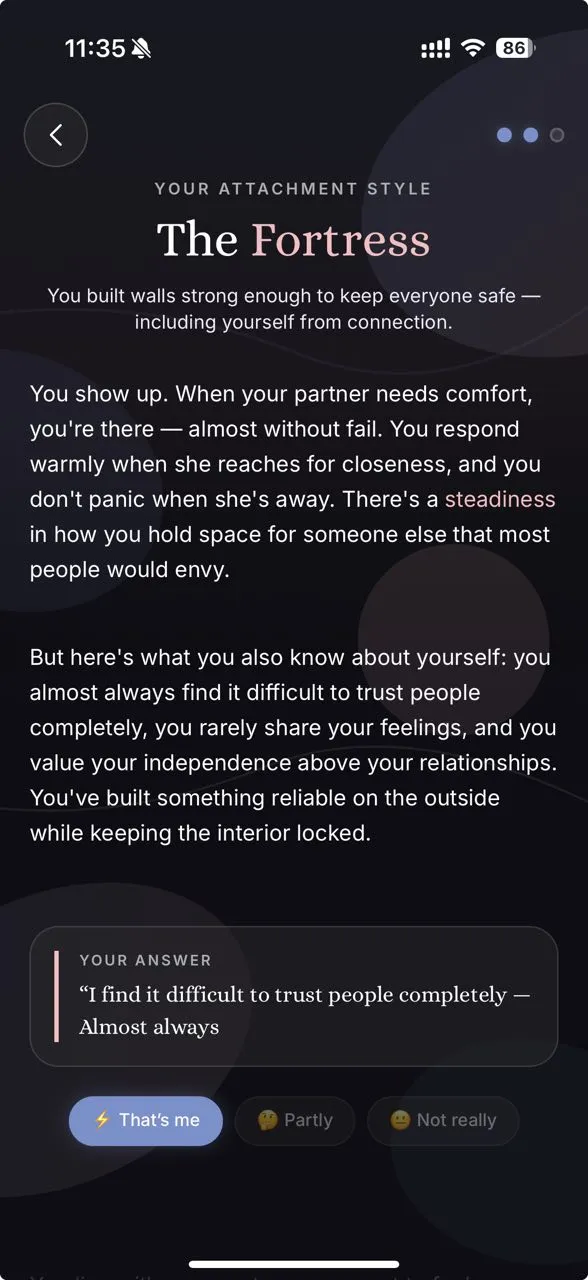
Attachment theory groups people into rough patterns — secure, anxious, avoidant, and disorganized — based on how safe they learned closeness felt early in life. An anxious partner might chase reassurance and read silence as rejection, while an avoidant partner might need space and read closeness as pressure. Neither style is a character flaw; both are learned strategies for staying safe.
I've found that simply naming your attachment pattern out loud to your partner — "I tend to go quiet when I feel criticized" — defuses a surprising amount of conflict. A quick attachment-style quiz, whether through a therapist, a book, or an app, can make this pattern visible faster than months of guessing at each other's reactions.
How to Increase Physical Intimacy in a Relationship
Physical closeness often stalls because couples wait for desire to strike before they touch each other — but affection usually needs to come first. A sexual intimacy definition worth remembering is that sex is only one part of physical connection; a hand on the back while cooking, a long hug at the door, or falling asleep touching all count and all build toward how to spice up intimacy later. Non-demand touch — affection with zero expectation of it leading anywhere — is one of the fastest ways to rebuild trust around physical closeness when one or both partners have started to dread being touched at all.
If mismatched desire is the issue, name it directly instead of avoiding the topic. I've seen couples make more progress in one honest ten-minute conversation about mismatched libidos than in months of silent frustration. A therapist trained in Emotionally Focused Therapy (EFT) can help here too, especially when old hurt is tangled up with the physical distance. Body-image concerns, medication side effects, and plain exhaustion also shape desire more than most couples admit out loud, so ruling those out first can save weeks of unnecessary blame.
Long Distance Relationship Struggles and How to Work Through Them
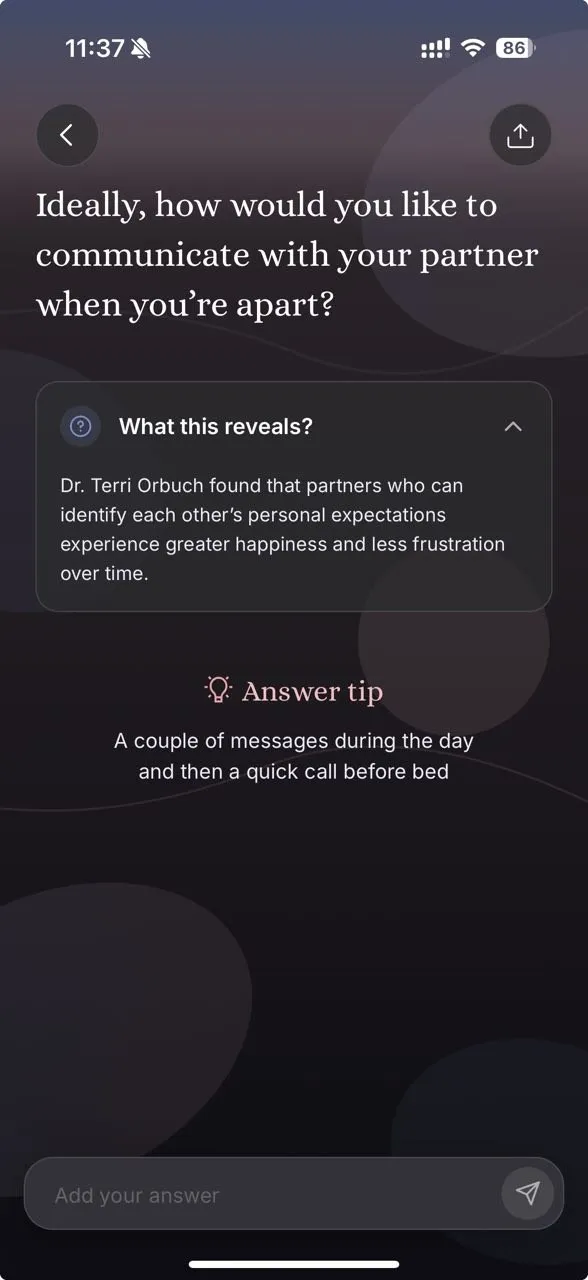
Long distance relationship struggles usually come down to timing mismatches and the absence of shared daily texture — you're not in the same kitchen, so the little moments that build intimacy disappear by default. How to make a long distance relationship work often means replacing physical presence with intentional rituals: a scheduled video call that isn't just logistics, or a shared question you both answer before bed.
This is one area where a structured tool can genuinely help rather than feel like a gimmick. If your relationship is stretched across time zones, Cuddle's long-distance guide is one option worth exploring alongside your own rituals — it's built around daily async prompts rather than another scheduled call to coordinate.
Simple Ways to Practice How to Improve Intimacy Every Week
- Ask one vulnerable question a day, and actually wait for the full answer before responding
- Schedule a 10-minute device-free check-in three nights a week
- Name one thing you appreciated about your partner out loud, not just in your head
- Try a couple's quiz on love languages or attachment style to spot blind spots neither of you noticed
- Repair small ruptures the same day instead of letting them stack up
None of these require a grand gesture. In my experience, the couples who rebuild closeness fastest are the ones who treat these habits like brushing their teeth — small, unglamorous, and repeated daily rather than saved for a special occasion. Cognitive Behavioral Therapy (CBT) principles back this up too: consistent small behaviors reshape thought patterns far more reliably than one intense effort followed by weeks of silence.
So how do you actually keep this going once the motivation from reading an article wears off? That's the honest challenge with any relationship advice — it works only if it survives a busy Tuesday. Some couples use a shared notes app; others use a structured coaching app like Cuddle, or a workbook from a couples therapist, to keep the habit visible instead of relying on memory alone.
When to Bring in Outside Support
If conversations keep circling back to the same fight, or if one of you feels chronically unheard, a licensed couples therapist trained in the Gottman Method or EFT is worth the investment. Apps and books can support daily practice, but they aren't built for active crises like betrayal, addiction, or safety concerns — that work needs a trained clinician in the room. Some couples also read a structured book together, such as Sue Johnson's Hold Me Tight, as a lower-cost first step before booking sessions.
For couples who are already in a good place but want to keep growing, a daily coaching app can complement therapy rather than replace it. I've found the combination — occasional therapy sessions plus a daily five-minute habit — tends to stick better than either one alone. What matters most isn't which tool you pick; it's whether you both actually use it consistently for more than a week, since most relationship habits only start paying off around the three-week mark.
Rekindling intimacy isn't about waiting for the spark to return on its own. It's a practice you build, one honest question and one small repair at a time. Start with a single habit this week — a nightly check-in, a real question, a hand held a little longer — and let it compound from there. Is it worth the effort? Every couple I've spoken with who stuck with it for a month says yes, even the ones who felt hopeless at the start.
Want a Daily Nudge to Practice This?
A five-minute daily practice built around relationship-science frameworks, for couples near or far.
Explore Cuddle's Long-Distance GuideDisclosure: This page contains affiliate links. We may earn a commission at no extra cost to you.