
How to Maintain a Long-Distance Relationship in 2026
Long distance relationships test even the strongest couples, and learning how to maintain a long-distance relationship starts with understanding what actually keeps two people close when miles separate them. Long distance relationship struggles usually come down to one root issue: the slow erosion of emotional intimacy when daily in-person contact disappears. This guide breaks down what emotional intimacy actually means, why it fades over distance, and how to make a long distance relationship work using small, consistent habits instead of grand gestures. I've coached couples through deployments, long-distance grad school stretches, and cross-country job moves, and the pattern is always the same — the couples who stay close treat connection as a daily practice, not a once-a-week phone call. Some couples find a bit of structure helps here, and apps like Cuddle are one option worth exploring if you want daily prompts built in.

What Is Emotional Intimacy, and Why Distance Threatens It
So what is emotional intimacy, exactly? The emotional intimacy definition most therapists use is simple: the felt sense of being known, understood, and accepted by your partner, built through consistent vulnerability and responsiveness. It's different from sexual intimacy definition territory — emotional intimacy lives in shared feelings, not shared bodies. In my experience, couples confuse the two constantly, then wonder why phone sex doesn't fix the growing distance between them.
Distance threatens emotional intimacy because it strips away the small, unplanned moments — a raised eyebrow across the room, a hand on the back during a bad day — that normally do the bonding work for free. Without those cues, couples have to manufacture connection on purpose. That's uncomfortable at first, but it's also why long-distance couples who make it through often report deeper communication skills than couples who never had to try.
Building Emotional Intimacy Without Physical Presence
If you're wondering how to improve intimacy across distance, building emotional intimacy starts with replacing the accidental moments with deliberate ones. Schedule a nightly ten-minute call where the only rule is no logistics talk — just feelings, wins, and worries from the day. Send one voice memo a day instead of another text; tone of voice carries emotional data that text strips out. I've watched couples transform stale check-ins into something real just by switching from typing to talking.
Emotional intimacy examples that translate well to distance include sharing a "high and low" from your day, narrating a small decision before you make it, or reading the same book and discussing a chapter weekly. None of these require a screen larger than your phone. They just require you to show up on purpose, which is the entire game once physical proximity is off the table.
Fixing Lack of Intimacy Before It Becomes a Pattern
Lack of intimacy rarely shows up as one big rupture — it's usually a slow fade you don't notice until calls feel like chores. Watch for these early signs: conversations that stay surface-level for weeks, one partner consistently ending calls first, or a growing reluctance to bring up anything hard. Catch it here, and it's a quick fix. Let it sit for six months, and you're rebuilding trust instead of habits.
The fix is almost always the same: name it out loud, then add one small ritual back in. Couples I've worked with often reach for structured tools at this stage — apps like Cuddle offer a Relationship Assistant that walks you through naming the pattern and gives concrete next steps rather than generic advice, which helps when neither of you knows how to start the conversation.
How to Increase Physical Intimacy in a Relationship From Afar
How to increase physical intimacy in a relationship when you're states or countries apart sounds like a contradiction, but physical intimacy isn't limited to sex. Non sexual intimacy — a scheduled video call where you both just exist in frame while cooking dinner, synced sleep schedules so you say goodnight in real time, sending a photo of your hand for theirs to "hold" — keeps the physical channel alive even when touch itself isn't possible.
For sexual intimacy definition purposes in a long-distance context, most couples land on a mix of scheduled intimate calls, honest conversation about needs, and patience with the awkwardness of planning something that used to be spontaneous. Talk about frequency and comfort levels explicitly — assuming you're on the same page here is one of the fastest ways to build resentment neither of you can name yet.
How to Rekindle Romance in Marriage or a Long-Term Long-Distance Relationship
How to rekindle romance in marriage after distance has dulled things starts with reintroducing novelty on purpose. Plan a "long-distance date night" with a theme neither of you has tried — cook the same recipe on video, watch a movie in sync, or play an online game together. Novelty triggers the same dopamine response that made early dating feel electric, and distance actually gives you more control over when you schedule it.
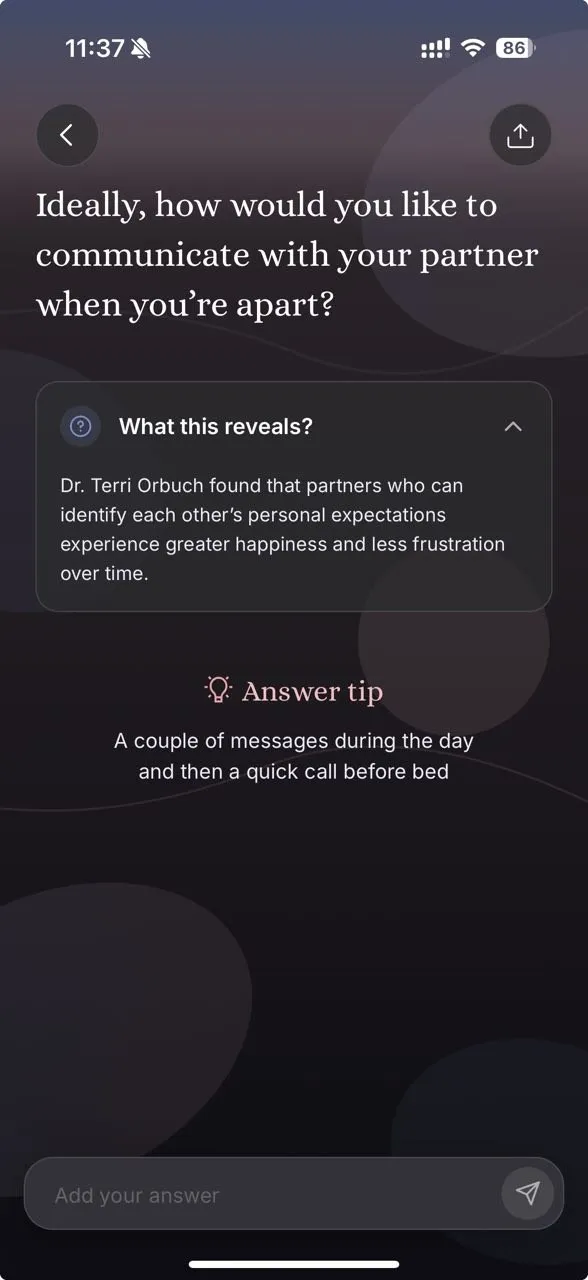
Platonic intimacy matters here too — the friendship layer under the romance. Long-married couples who maintain distance well tend to protect inside jokes, shared playlists, and running references the same way new couples protect their first-date memories. Research from relationship scientist Dr. Terri Orbuch has found that couples who clearly identify each other's expectations for staying in touch report far less resentment during time apart, which is worth building into your own check-in routine.
How to Spice Up Intimacy When the Routine Gets Stale
How to spice up intimacy once the daily call has become predictable is mostly about breaking your own script. Swap the nightly call for a surprise voice memo left at lunchtime. Trade a daily question you'd never normally ask — something playful on a Saturday, something vulnerable on a Thursday — instead of defaulting to "how was your day." Small format changes keep both partners paying attention instead of going through the motions.
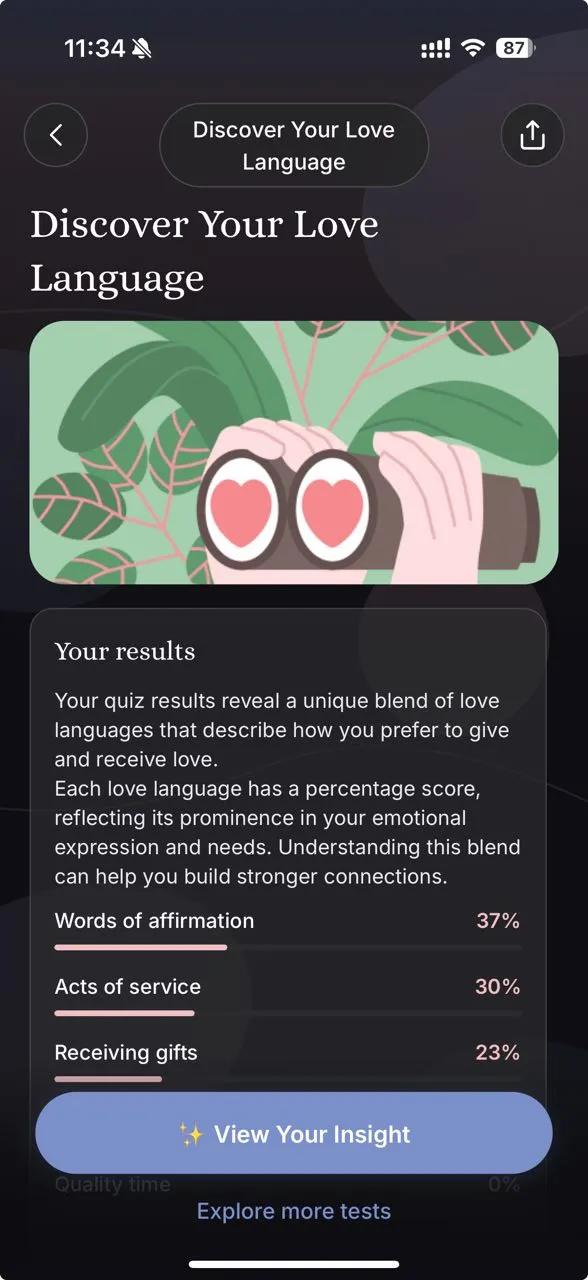
This is where many long-distance couples bring in outside structure, since inventing new prompts every week gets exhausting fast. Curated daily questions and paired quizzes — the kind Cuddle builds around love languages, attachment style, and conflict patterns — give you a fresh, research-backed prompt without either partner having to be the "idea person" every single night. Books like "Attached" by Amir Levine, or working with a couples therapist over video, do similar work if an app isn't your preference.
How to Make a Long Distance Relationship Work Long-Term
How to make a long distance relationship work over the long haul comes down to shared direction, not just shared feelings. Couples who last set a rough timeline for closing the distance — even a loose one — because open-ended distance breeds a specific kind of anxiety that no amount of daily texting fixes. Talk about the endgame explicitly: are you moving toward the same city in a year, two years, or is one of you waiting on a program to finish?
Long distance relationship struggles intensify around milestones — birthdays, anniversaries, holidays — when the absence feels sharpest. Plan around these dates instead of hoping they pass quietly. A visit timed to a birthday, a small gift shipped early, or simply naming "this is a hard day, let's be gentle with each other" goes further than pretending distance doesn't sting on the days it's supposed to.
- Set a recurring daily check-in time so neither partner has to initiate connection alone every day.
- Name one shared goal for closing the distance, even a loose one, to reduce open-ended anxiety.
- Rotate who plans the next video date to keep effort balanced on both sides.
- Track small wins together, like a good conversation or a resolved disagreement, instead of only noticing the hard days.
- Revisit your intimacy expectations every few months since needs shift as the relationship and distance both evolve.
Tools and Support Options for Long-Distance Couples
You don't have to build every ritual from scratch. Shared calendar apps help coordinate time zones, watch-party tools like Teleparty sync video across two screens, and simple daily-question apps give you a prompt when you're both too tired to think of one. The goal isn't collecting apps — it's finding the one or two that remove friction from staying close. These small tools work best when both partners actually use them consistently, not just download them once and forget.
For couples who want more structure than a question deck but aren't ready for weekly therapy, guided courses and a relationship-focused coaching app can bridge the gap. Cuddle's course library, for instance, covers communication and conflict repair in short sessions built around relationship-science frameworks like the Gottman Method and Emotionally Focused Therapy — useful if you want a guided path rather than figuring out the "right" questions on your own. A licensed couples therapist remains the better option for active crises like trust ruptures or untreated conflict; apps work best as a daily complement, not a replacement.
Long-distance relationships don't survive on willpower alone — they survive on small, repeatable rituals that rebuild the closeness proximity used to provide for free. Pick one habit from this guide, whether that's a nightly voice memo, a scheduled intimate call, or a shared daily question, and give it three weeks before judging whether it's working. In my experience, the couples who maintain a long-distance relationship successfully are rarely the ones with the most dramatic gestures — they're the ones who show up in small ways, consistently, even when it's inconvenient. That consistency is the whole skill, and it's learnable at any stage of a relationship.
Want a Daily Ritual for Distance?
Daily prompts and guided courses built for couples navigating distance, from Cuddle.
Try Cuddle Free for 7 DaysDisclosure: This page contains affiliate links. We may earn a commission at no extra cost to you.