
Long Distance Relationships: The Complete Guide
Here's a claim worth sitting with: distance doesn't break relationships — silence does. Long distance relationships survive and even thrive when couples replace physical closeness with intentional habits, but they quietly fall apart when partners let the miles do the talking instead of building a shared plan. If you're searching for whether do long distance relationships work, the honest answer is yes, with the right structure behind it. Tools like Cuddle are one option couples use to build that structure, alongside plenty of completely free habits — shared rituals, honest check-ins, planned visits — you can realistically start tonight, no subscription required at all.

What Makes Long Distance Relationship Struggles Different
Every couple argues and drifts sometimes, but long distance relationship struggles have a specific shape. You lose the small, wordless moments — a hand on the back, a shared laugh at dinner, a glance across the room — that normally carry a relationship between the big conversations. Without those micro-moments, couples often overload text messages and calls with meaning they were never built to hold, which breeds misread tone, jealousy over ambiguous replies, and unnecessary conflict that co-located couples rarely have to navigate. A short text can read as cold when it was only rushed.
Time zones add a second layer of friction. When one partner is winding down and the other is starting their day, timing conversations becomes its own quiet stressor, and "good morning" texts can arrive as someone else's "goodnight." In my experience talking with long-distance couples, the strongest ones stop treating distance as the enemy and instead treat it as a scheduling problem with an emotional cost — one they can plan around rather than resent, the same way they'd plan around any recurring logistical challenge in daily life.
Do Long Distance Relationships Work? What the Research Says
So, do long distance relationships work? Research on romantic communication, including work referenced by relationship researcher Dr. Terri Orbuch, suggests that couples who explicitly discuss how they want to stay connected while apart report higher satisfaction than couples who leave it to chance. Structure beats hope here. Couples who agree on call cadence, response-time expectations, and visit planning consistently report fewer blowups over feeling ignored, because the ambiguity that fuels most long-distance arguments simply has less room to grow once expectations are actually spoken out loud.
I've noticed a pattern in couples who make it work long-term: they treat the relationship like a shared project with rituals, not an emotion they're passively waiting to feel. That might mean a nightly ten-minute check-in, a shared playlist you both add to, or trading one voice memo a day instead of a dozen scattered texts. None of this requires fancy tools — it requires agreement, repetition, and grace when life inevitably gets in the way of the plan.
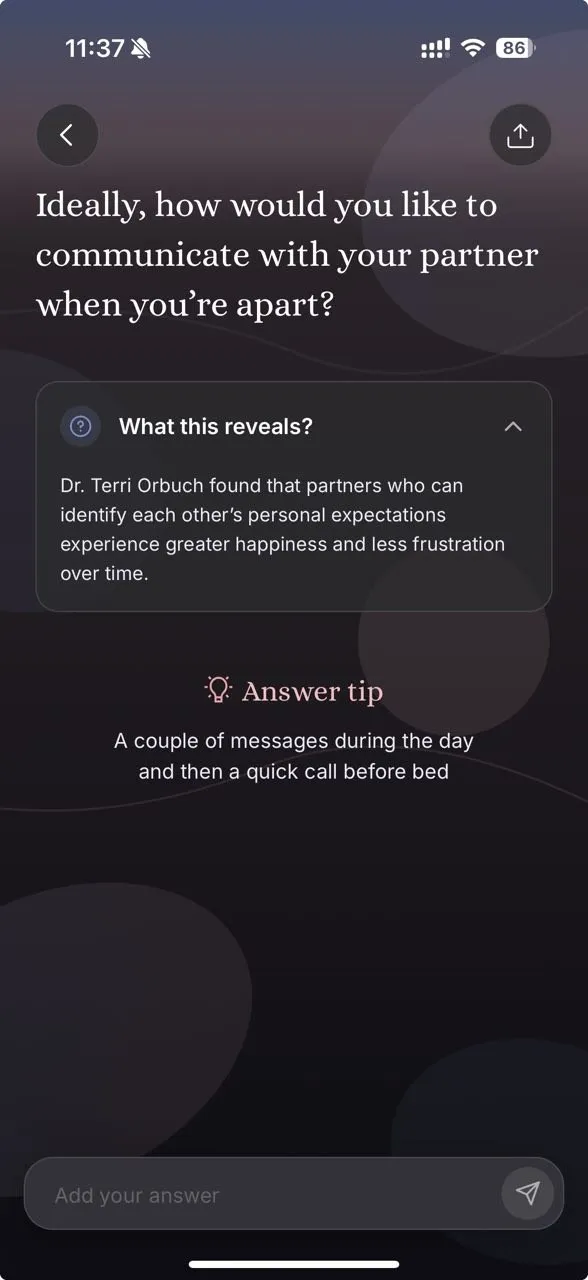
Building Emotional Intimacy When You're Apart
Before going further, here's an emotional intimacy definition worth anchoring to: emotional intimacy is the felt sense that your partner truly knows your inner world — your fears, your daily texture, your half-formed thoughts — and responds to it with care rather than judgment. What is emotional intimacy in practice? It's less about grand declarations and more about small, honest disclosures that accumulate over weeks and months until you feel genuinely known, not just informed. Long-distance couples often build this faster than they expect, simply because texting forces more words than a shared couch ever did.
Building emotional intimacy from a distance means over-communicating the ordinary, on purpose. Emotional intimacy examples include narrating your day in specific detail instead of saying "fine," naming a fear out loud instead of minimizing it, and asking your partner what they need right now rather than assuming you already know. Couples who do this consistently report feeling closer at six months apart than some co-located couples who've quietly stopped sharing the small stuff with each other, proof that proximity alone was never the real ingredient.
Physical and Non Sexual Intimacy Across the Distance
Physical closeness isn't only about sex, and long distance couples benefit from remembering that clearly. Non sexual intimacy — synced sleep schedules on a video call, watching a show together on a shared stream, sending a photo of your hands, reading the same book and texting reactions chapter by chapter — keeps the nervous system calmer even when touch itself isn't possible. It's a genuine placeholder for closeness, not a downgrade of it, and many couples say it's what they miss most between visits.
That said, sexual intimacy definition matters here too: it's the physical and emotional vulnerability shared between partners, which can absolutely continue at a distance through honest conversation about desire, video intimacy when both partners are comfortable, and planning how to reconnect physically at the next visit. Couples who talk openly about how to increase physical intimacy in a relationship — even before they're in the same room — tend to reconnect faster and with less awkwardness when they finally are.
How to Make a Long Distance Relationship Work Long-Term
How to make a long distance relationship work long-term usually comes down to three ingredients: a visit rhythm you can both count on, individual lives that stay full instead of paused while you wait, and an end date or milestone you're both actively working toward. Couples without a visible timeline tend to feel the distance more acutely, because uncertainty itself is exhausting in a way that a hard, even distant, date on the calendar simply isn't — it gives the waiting a shape.
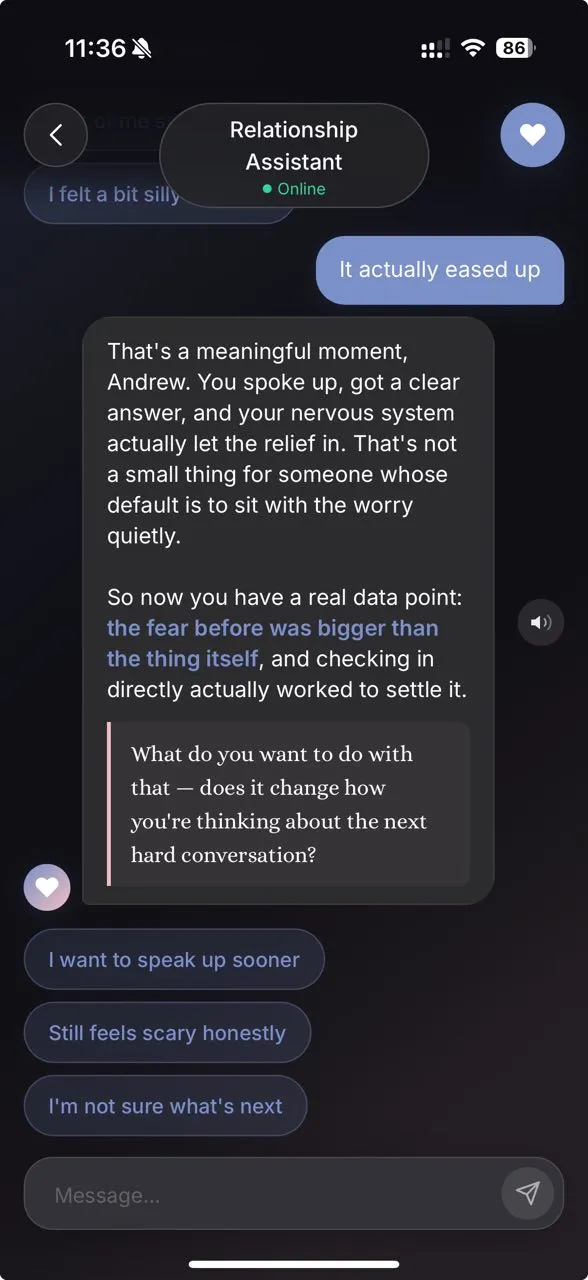
It also helps to name your specific long distance relationship struggles out loud rather than push through them silently and hope they resolve themselves. If jealousy shows up around a night out with friends, say so calmly instead of letting it fester into a bigger fight later. If the video calls feel like a chore some nights, admit that too — most partners would rather hear the honest truth than sense a scripted enthusiasm that isn't really there underneath it.
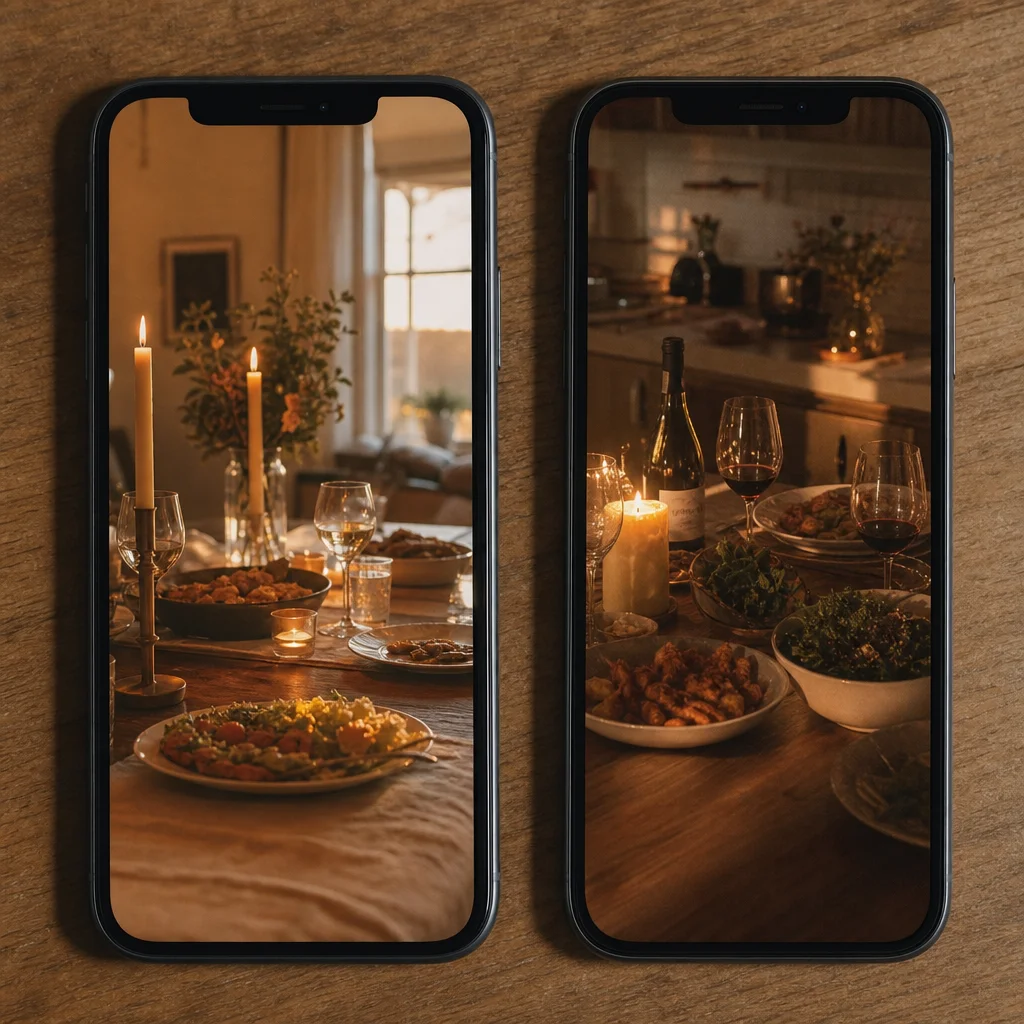
Communication Rituals That Prevent Lack of Intimacy
A lack of intimacy rarely appears overnight; it creeps in through skipped check-ins and shorthand replies that both partners tell themselves don't matter. The fix is a shared ritual both partners actually keep, not just agree to in theory during a good week. Pick one daily touchpoint (a voice note, a two-minute call) and one weekly touchpoint (a longer video date with no phones nearby) and protect both like appointments on a calendar, not "if we have time" extras that quietly disappear.
Couples who want more structure sometimes bring in outside support — a couples therapist for deeper attachment patterns, a book like Attached for understanding your own attachment style, or a guided app for daily accountability. Cuddle is one option worth exploring here: its daily questions and async prompts are built specifically for couples who can't always talk in real time, which is common for long-distance pairs juggling different schedules and time zones. It's not the only path, but it's a structured one worth knowing about, especially in the early months when new habits are hardest to keep.
How to Rekindle Romance in Marriage and Long-Term Love
Long-term and married couples face a related but distinct question: how to rekindle romance in marriage once the daily routine has flattened the spark, distance or not. The pattern I keep seeing is novelty plus attention, applied deliberately rather than left to chance. Plan a small new experience together — a virtual cooking class, a weekend trip, a new shared hobby neither of you has tried — because novelty reliably reactivates the same brain chemistry that made early dating feel electric in the first place.
If you're wondering how to spice up intimacy after years together, start smaller than you think. Share a fantasy you've never said out loud. Plan a date with a theme instead of the usual "dinner and a movie." Ask your partner one question you've genuinely never asked, even after years together, and really listen to the answer. How to improve intimacy usually isn't about a grand gesture — it's about removing the small autopilot habits that long relationships tend to quietly install over time.
Not every couple needs an app to do this — some do it with a standing date night, a journal they trade back and forth, or regular sessions with a licensed therapist who understands their specific history. If you do want a nudge in the moment, Cuddle's guided courses cover exactly this territory, though a good relationship book or a standing therapy appointment works just as well for many couples, and costs nothing extra to try first.
Platonic Intimacy and the Bigger Picture of Closeness
It helps to remember that intimacy isn't only romantic. Platonic intimacy — the closeness you build with friends and family — actually supports romantic intimacy by giving both partners outside sources of support, so the relationship isn't carrying every emotional need on its own. Long-distance couples who maintain their own friendships and interests tend to bring more energy and more interesting conversation back to the relationship, not less, because they aren't running on empty waiting for their partner to fill every gap. A full life on both ends makes the shared one stronger.
The couples who make long distance relationships work long-term usually share one trait: they stopped waiting to feel close and started building closeness on purpose, one small ritual at a time. That shift — from passive hoping to active practice — is the real answer to how to make a long distance relationship work, whatever specific tools, books, or apps you choose to get there. The mechanism matters less than the consistency behind it, and consistency is something either partner can start today, without waiting for the other to go first.
Distance is temporary for most couples, even when it doesn't feel that way at month four or five. Treat the season as a chance to build communication muscles that will serve the relationship long after you're finally sharing a zip code again — the honesty, the scheduled attention, the willingness to name a hard feeling out loud. That's the real prize hiding inside the hard parts of being apart, and it's one most couples only recognize looking back, once the distance is behind them and the habits remain.
Want Daily Prompts Built for Distance?
Cuddle offers daily async questions and guided courses for couples navigating distance.
Try Cuddle Free for 7 DaysDisclosure: This page contains affiliate links. We may earn a commission at no extra cost to you.