
How Technology Affects Intimacy in Modern Relationships
We spend more hours looking at screens than we spend looking at our partners, and that shift has quietly rewritten the rules of closeness. The impact of technology on intimacy shows up in small moments: a couple sitting on the same couch, both scrolling, neither talking. Understanding what is emotional intimacy and how phones, remote work, and social media chip away at it is the first step toward protecting the connection you actually want. If you're noticing more distance than closeness lately, apps like Cuddle are one option worth exploring alongside the habits below.

The Real Impact of Technology on Intimacy
Technology didn't set out to damage relationships, but it's very good at competing for attention that used to belong to a partner. Notifications interrupt conversations mid-sentence. Group chats and social feeds offer instant validation that feels easier than the slower work of being truly known by one person. Over time, that trade adds up, and lack of intimacy becomes the quiet default instead of the exception.
I've talked with couples who describe "phubbing" — phone snubbing — as their biggest source of daily friction, more than money or chores. It's a small behavior with an outsized effect: one partner checks a message, the other feels dismissed, and neither one names what just happened. Furthermore, research from the Pew Research Center has tracked rising concern among partners about device use during shared time, which lines up with what therapists report in session.
Emotional Intimacy Definition and Why Screens Get in the Way
The emotional intimacy definition therapists use is fairly simple: it's the felt sense that your partner knows your inner world and responds to it with care. That includes your fears, your daily stresses, and the parts of you that don't show up in a text message well — building emotional intimacy happens in exactly these small, repeated moments. Emotional intimacy examples include a partner noticing you're quiet after work and asking what's wrong, or remembering a small detail from a story you told weeks ago.
Screens interfere with this because emotional attunement needs sustained, undivided attention — something a phone actively fragments. When I've watched couples try a no-phones dinner rule, the change is noticeable within a week: longer eye contact, more follow-up questions, fewer conversational dead ends. That's non sexual intimacy in action, and it's often the piece couples lose first without realizing it.
Dealing With a Partner's Phone Addiction
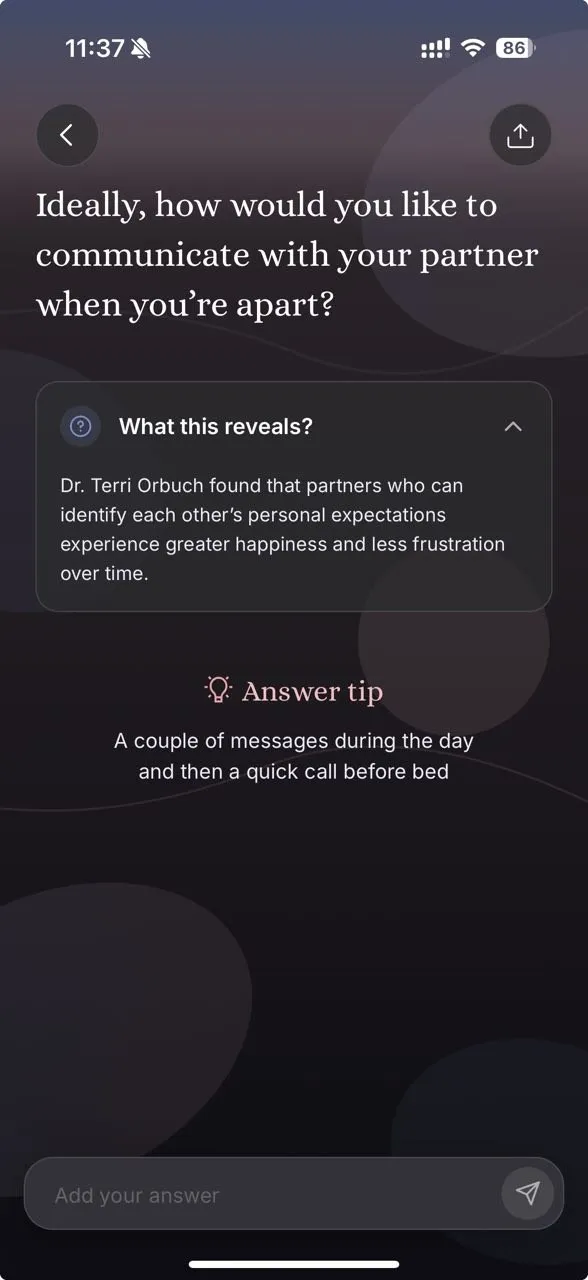
Dealing with a partner's phone addiction rarely works as a confrontation. Shaming someone for scrolling tends to trigger defensiveness rather than change. What works better, in my experience, is naming the impact rather than the behavior: "I miss talking to you at dinner" lands very differently than "put your phone away." Couples who address this successfully usually build small structural boundaries — phone-free bedrooms, charging stations outside the room, or a shared signal for "I need your attention right now."
Platonic intimacy with friends and online communities isn't inherently a threat, but it can become one when it replaces effort that used to go toward a partner. If you notice yourself saving your best stories for a group chat instead of your partner, that's worth naming out loud before resentment builds.
Quick Fact
How to Maintain Intimacy While Working Remotely
How to maintain intimacy while working remotely is a question more couples are asking now that home and work share the same four walls. When you're both logged into video calls all day, the temptation is to treat evenings as decompression time alone rather than connection time together. That's understandable, but it slowly starves the relationship of the informal check-ins that used to happen naturally during commutes or lunch breaks.
Couples who navigate this well tend to build tiny rituals: a five-minute coffee together before logging on, or a walk after the last meeting ends. Therefore, the goal isn't to add another obligation to an already full day — it's to protect a few unscheduled minutes that belong only to the two of you, not to either job.
Long Distance Relationship Struggles and How to Work Through Them
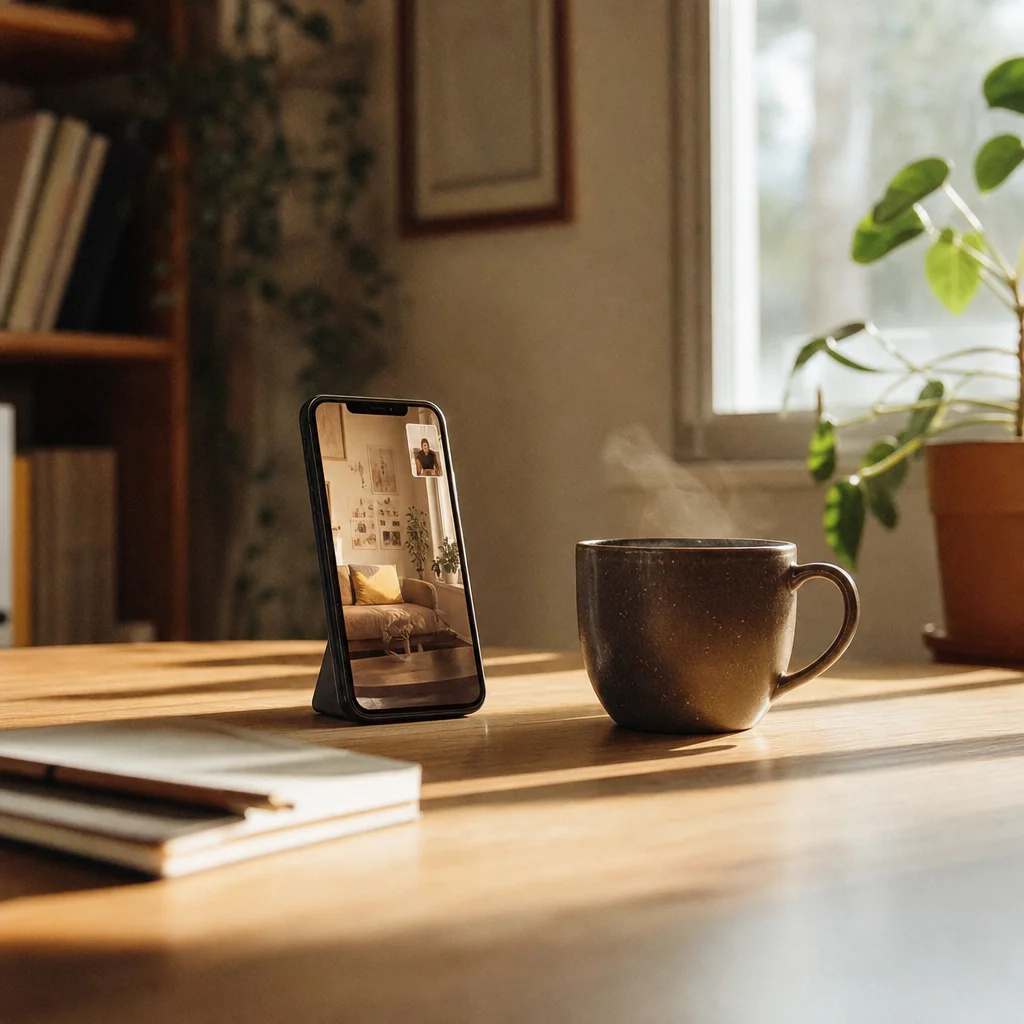
Long distance relationship struggles are almost always about rhythm, not love. Time zones scramble the small, spontaneous moments that build closeness, and video calls — while helpful — can feel like effortful events rather than easy conversation. Knowing how to make a long distance relationship work usually means replacing spontaneity with intentional structure: scheduled calls, shared playlists, or daily questions that keep you learning new things about each other despite the miles.
After using several structured tools with long-distance clients, I've found that async daily prompts — where each partner answers separately and then compares notes — solve a real problem: they don't require both people to be free at the same time, but they still build the "you get me" feeling that distance tends to erode. This is a case where a tool genuinely helps: something like Cuddle's daily questions can fill that gap, though a shared calendar and a consistent video-call habit do a lot of the same work for free.
How to Improve Intimacy — Emotional and Physical
How to improve intimacy usually starts smaller than people expect. Sexual intimacy definition matters here too — it's not only about frequency, but about feeling desired, safe, and able to communicate what you want. How to increase physical intimacy in a relationship often begins with non-sexual touch: a hand on the back while passing in the kitchen, a longer hug at the door. These small gestures rebuild the physical vocabulary that habit and busyness tend to erase.
How to rekindle romance in marriage after years together often means treating novelty as a skill, not a mood — and knowing how to spice up intimacy usually starts with curiosity, not a bigger gesture. Couples therapy research, including work built on the Gottman Method, points to consistent patterns: partners who ask open-ended questions and respond with genuine curiosity report higher satisfaction than those who rely on assumption. A book like "The Seven Principles for Making Marriage Work" or working with a licensed couples therapist both remain solid paths if you want deeper, guided repair work.
- Scheduled connection rituals create predictability that reduces anxiety in long-distance or remote-work relationships
- Naming the impact of a behavior (rather than criticizing the behavior itself) lowers defensiveness
- Small daily habits compound faster than occasional big gestures
- Structure can feel forced at first and may need a few weeks before it feels natural
- Scheduled rituals require both partners to buy in — one-sided effort tends to fade
Coping With a Breakup in the Digital Era
Coping with a breakup in the digital era adds a layer that didn't exist a generation ago: social media makes it nearly impossible to fully disconnect. Seeing an ex's posts, mutual friends' comments, or old photo memories resurfacing can reopen wounds just as they start to close. Muting or unfollowing isn't cold — it's a practical boundary that gives your nervous system room to actually heal instead of re-processing the breakup daily.
A few habits consistently show up in couples who protect their connection despite heavy technology use:
- Phone-free windows during meals or the first 20 minutes after reuniting at home
- A shared signal for 'I need your full attention' instead of silent resentment
- Scheduled video calls for long-distance partners, rather than relying on spontaneity
- Daily check-in questions that go beyond 'how was your day'
- Muting an ex on social media during the early weeks after a breakup
The impact of technology on intimacy isn't going to reverse — screens are staying. What actually changes outcomes is intention: naming the problem instead of ignoring it, building small rituals instead of hoping closeness happens on its own, and treating both emotional and physical intimacy as skills you practice rather than a mood you wait for. Couples therapy, relationship books, and structured apps can all support that practice; what matters most is picking one approach and actually doing it together.
Want a Daily Structure for Staying Close?
Five to ten minutes a day, guided by relationship science, built for two real people.
Explore Cuddle's Long-Distance GuideDisclosure: This page contains affiliate links. We may earn a commission at no extra cost to you.