
How to Improve Intimacy: 15 Research-Backed Ways
If you want to improve intimacy with your partner, here's the encouraging part: it's a learnable skill, not a fixed trait some couples have and others don't. Emotional and physical closeness both respond to small, repeated actions, and relationship research backs that up again and again. I've pulled together 15 research-backed ways to improve intimacy, covering emotional connection, physical closeness, long distance relationship struggles, and what to do when a lack of intimacy has quietly settled into a relationship. Apps like Cuddle offer one structured way to practice these habits daily, though the habits themselves matter more than any single tool. Whether you're newly together or twenty years in, the same underlying mechanics apply.

What Is Emotional Intimacy (and How It Differs From Physical)
Emotional intimacy definition, in plain terms: it's the sense that your partner truly knows your inner world — your fears, hopes, and daily small stuff — and responds with care. That's different from sexual intimacy definition, which centers on physical and erotic closeness. Neither one automatically produces the other, which is why some couples feel like roommates despite a healthy sex life, and others feel deeply close without much physical contact at all. Researchers studying attachment note that people often default to whichever type of closeness feels safest, then mistake that comfort zone for the whole picture.
Way 1: separate the two in your own mind before trying to fix either. Way 2: practice non sexual intimacy on purpose — a hand on the back, sitting close on the couch, a long hug before work, holding hands during a hard conversation instead of only during good moments. Way 3: build platonic intimacy skills with friends and family too. Learning to be vulnerable in low-stakes relationships makes it easier to do the same with a partner, because the muscle you're training — tolerating being truly seen — is the same one either way, just with lower stakes attached. Couples who only ever practice vulnerability with each other often find it harder, not easier, precisely because the stakes feel so high.
Building Emotional Intimacy Through Daily Conversation
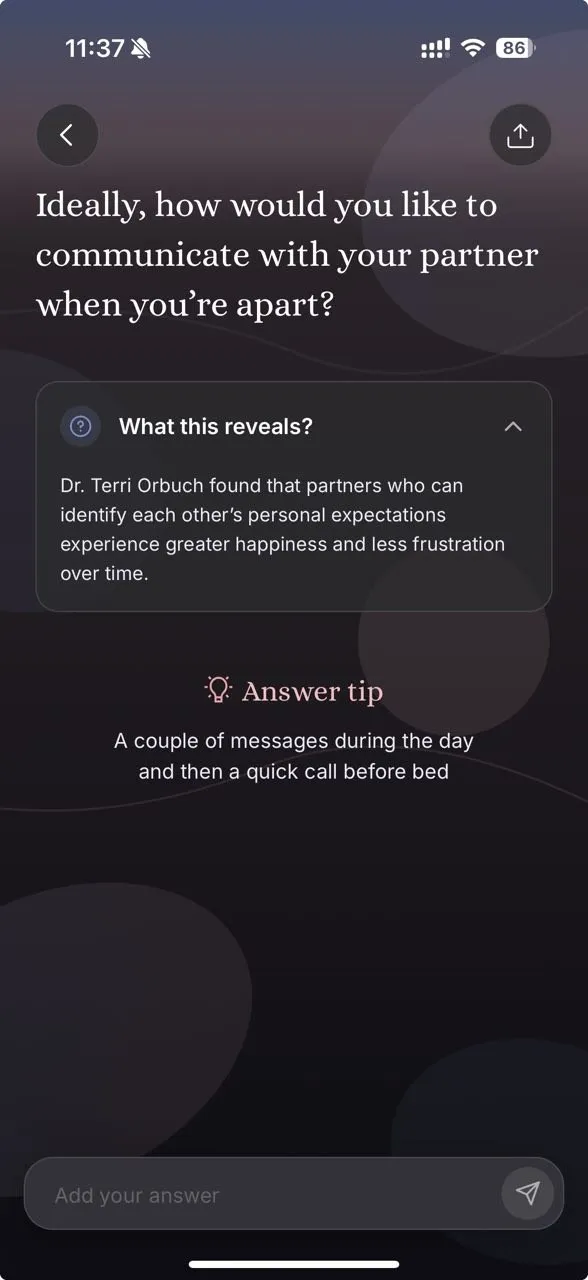
Building emotional intimacy rarely happens in one big heart-to-heart. Way 4: ask one real question a day instead of defaulting to "how was your day?" Research from Dr. Terri Orbuch on communication preferences suggests couples who explicitly name how they want to stay in touch — texts during the day, a call before bed — report feeling more understood than couples who leave it unspoken and hope the other person just knows. Way 5: practice active listening by repeating back what you heard before responding, which slows down the instinct to jump straight to advice or defense and signals that you actually absorbed what your partner said.
Way 6: share something you haven't said out loud yet — a fear, a dream, an embarrassing memory. Emotional intimacy examples that show up in real relationships include telling your partner you're scared about a job change before you've fully processed it yourself, or admitting you still think about an old friendship you miss. Those small admissions, repeated over months, build the trust that bigger conversations later depend on. Couples therapists often call this "turning toward" — responding to a partner's small bid for connection instead of letting it pass unanswered.
How to Increase Physical Intimacy in a Relationship
If you're wondering how to increase physical intimacy in a relationship, start smaller than you'd expect. Way 7: add non-sexual touch to your daily routine — a hand on the shoulder while cooking, holding hands during a walk, a kiss goodbye that lasts longer than a second. Way 8: schedule physical closeness the way you'd schedule anything else that matters. That might sound unromantic, but couples who wait for spontaneous desire often wait months; a standing Friday night doesn't kill the mood, it protects it from a busy calendar that would otherwise swallow it whole.
Way 9 answers how to spice up intimacy: introduce novelty on purpose. Try a new activity together, change the setting, or talk openly about fantasies you've never mentioned out loud. Novelty triggers the same dopamine response that made early dating exciting, and couples don't need a crisis to justify shaking up routine — boredom is reason enough. Even something as simple as switching who initiates, or trying a new restaurant before a night in, can break a stale pattern. Desire mismatch is common too, and naming it directly — rather than assuming your partner isn't interested — usually resolves more than either partner expects.
Fixing a Lack of Intimacy After Conflict or Distance
A lack of intimacy often traces back to unresolved conflict rather than a lack of love. Way 10: repair fights properly instead of just moving on and pretending it's fine. The Gottman Method, which predicts relationship outcomes with roughly 94% accuracy in published research, emphasizes repair attempts — small gestures like a joke, a touch, or a genuine apology that de-escalate an argument before it spirals into something bigger. Skipping repair leaves a residue that quietly erodes closeness over months, even when the original fight seemed minor. Couples who repair well after conflict often end up closer than before the fight, not just back to baseline.
Way 11 addresses how to rekindle romance in marriage specifically: rebuild rituals that got lost to routine. Long-married couples I've talked to often say the spark faded gradually, not suddenly — the weekly date night stopped, the compliments stopped, the check-ins stopped, and nobody noticed until the distance felt normal. Bringing back even one small ritual, like a Sunday morning coffee with no phones, can restart momentum faster than a single grand gesture ever could.

Long Distance Relationship Struggles and How to Bridge Them
Long distance relationship struggles usually come down to two things: fewer spontaneous moments and harder timezone logistics. Way 12: schedule video calls at a consistent time, even short ones, so connection doesn't depend on both of you happening to be free at once. Couples who treat calls as a fixed appointment report less anxiety about "catching up" than those who wing it, and the predictability itself becomes a small daily anchor worth looking forward to.
If you're figuring out how to make a long distance relationship work day to day, way 13 helps: use async tools that don't require perfect timing. Daily questions you each answer on your own schedule, then compare later, keep the relationship active between calls instead of leaving long silent gaps. If you want a structured way to practice these techniques while apart, Cuddle's long-distance guide walks through daily rituals built for exactly this gap, though a shared notes app or a simple daily-text habit works too if you'd rather keep it low-tech and free.
Knowing Your Attachment Style Before You Try to Fix Intimacy
Before working through the rest of these ways to improve intimacy, it helps to know your own attachment pattern. Someone with an anxious attachment style might chase reassurance the moment a partner seems distant, while someone more avoidant might withdraw at the first sign of conflict — and neither reaction is really about the present-day argument. Attachment theory, developed from decades of psychological research, explains why the same conversation lands so differently for two people in the same relationship.
A short quiz or a candid conversation about childhood relationships can surface this pattern faster than months of guessing. Once both partners can name their own tendency out loud — "I tend to go quiet when I feel criticized" — conflicts stop feeling personal and start feeling like a pattern to manage together, which itself is a form of building emotional intimacy.

Using Structure and Tools to Stay Consistent
Way 14: track your own patterns instead of relying on memory alone. Attachment-style quizzes, love-language assessments, or even a shared journal can surface things neither partner noticed consciously — like one person consistently withdrawing after conflict while the other chases for reassurance. Books like Gary Chapman's "The 5 Love Languages" popularized this kind of self-assessment long before apps existed, and a licensed couples therapist trained in Emotionally Focused Therapy remains the gold standard for deeper attachment work, especially after a serious trust rupture.
Way 15: pick one consistent daily habit and protect it, whatever the format you choose. In my experience testing several relationship apps, the ones that stick are the ones that take five minutes, not thirty, because five minutes survives a busy week and thirty rarely does. Cuddle is one option built around that idea — a five-to-ten-minute daily practice combining a relationship assistant, guided courses, and shared quizzes drawn from Gottman, EFT, and CBT frameworks. It isn't the only path, but it's a reasonable structure if you want daily accountability rather than sporadic effort that fades after a good week. A shared calendar reminder and a notebook work too — the format matters far less than whether you both actually show up for it.
None of these 15 ways require a dramatic overhaul. Small, repeated actions — a real question at dinner, a scheduled call, a proper repair after a fight, an honest answer about what you actually want — compound faster than most couples expect. Is it worth carving out five minutes a day for this? In my opinion, yes: the couples who treat intimacy as a daily practice rather than an occasional event tend to weather rough patches with far less damage, and they rarely wake up one day feeling like strangers. Pick two or three ways from this list, not all fifteen at once, and give them a few consistent weeks before judging whether they're working.

Want a Daily Intimacy Practice?
A five-minute daily habit for couples, built around Gottman and EFT-informed exercises.
Explore Cuddle's GuideDisclosure: This page contains affiliate links. We may earn a commission at no extra cost to you.