
How Do We Handle Differences in Conflict Styles?
Here's the blunt truth: most couples aren't fighting about the dishes or the money. They're fighting because one partner processes conflict out loud and the other needs silence first. So how do we handle differences in conflict styles without it wrecking every disagreement? The answer starts with recognizing that a clash of styles, not a lack of love, is usually the real problem. If you feel like we cant talk without it turning into a fight, you're not broken — you're likely mismatched in pace, tone, or timing. A tool like Cuddle is one option some couples use to name these patterns before they escalate, though plenty of paths can get you there.
Why Do We Argue About Everything?
When couples ask why do we argue about everything, the honest answer is usually smaller than they expect. Research from the Gottman Institute suggests that a majority of relationship conflict is perpetual — meaning it never fully resolves, it just gets managed better or worse. Furthermore, most recurring arguments aren't really about the topic on the surface. They're about how each partner approaches disagreement itself: one wants to talk it out immediately, the other needs to retreat and think first.
I've noticed, after reading through a fair amount of relationship research, that couples rarely fight about the same thing twice. Instead, they fight about the same pattern twice — a pursuer chasing a withdrawer, or two pursuers talking over each other. Once you name the pattern, the specific topic, whose turn it is to do laundry again, stops mattering as much. That single shift is what most couples actually need.
The Main Conflict Styles Couples Bring Into a Relationship
Psychologists generally describe four recurring conflict styles: validating (calm, collaborative problem-solving), volatile (passionate, loud, but quick to repair), avoidant (minimizing conflict, preferring space), and hostile (defensive, critical, or contemptuous). In my experience reading through couples' therapy case studies, most friction comes from pairing an avoidant partner with a volatile one, not from either style being wrong on its own.
None of these styles is inherently healthy or unhealthy by itself. However, the hostile style, marked by what psychologist John Gottman calls the Four Horsemen (criticism, contempt, defensiveness, stonewalling), predicts relationship breakdown with roughly 94% accuracy in his published longitudinal research. Therefore, the goal isn't forcing both partners into one style. It's recognizing your own pattern and your partner's, then building a bridge between them.

Why We Fight More When We're Stressed
Ever wonder why do we fight more when were stressed, even about things that never used to bother either of you? Cortisol narrows attention and shortens patience, which means small frustrations get amplified fast. A rushed morning or a tense work week doesn't create new conflict styles; it just makes your existing one louder. The avoidant partner shuts down harder. The volatile partner escalates faster.
This matters because timing often causes more damage than the actual disagreement. For example, bringing up a sensitive topic right after your partner walks in from a long shift practically guarantees a mismatch in styles. I've found that couples who simply schedule harder conversations for calmer windows cut their conflict frequency noticeably within a few weeks.
A 2023 survey by the American Psychological Association found that most adults report money and work stress spilling directly into how they treat their partner, above the level either topic deserves on its own. In practice, this means a Tuesday-night argument about texting back late is rarely about the phone. It's about a nervous system already running hot from an unrelated deadline. Recognizing that source helps couples stop assigning blame to the wrong trigger entirely.
Building Emotional Intimacy Through Better Conflict Repair
Building emotional intimacy and resolving conflict-style clashes are more connected than most couples realize. The emotional intimacy definition, at its core, means feeling safe enough to be known, flaws, fears, and all, without expecting punishment for it. Lack of intimacy often traces back to unresolved conflict: every unrepaired fight adds a small brick to a wall neither partner meant to build.
Emotional intimacy examples include debriefing after an argument ('I felt dismissed when you looked at your phone'), sharing a fear out loud, or simply naming what you need before you need it desperately. Non sexual intimacy, a hand on the shoulder, sitting in silence together, a check-in text, often repairs faster than words alone. Practicing these small acts consistently is generally how to improve intimacy without waiting for a crisis to force the conversation.
When Distance and Life Changes Widen the Gap
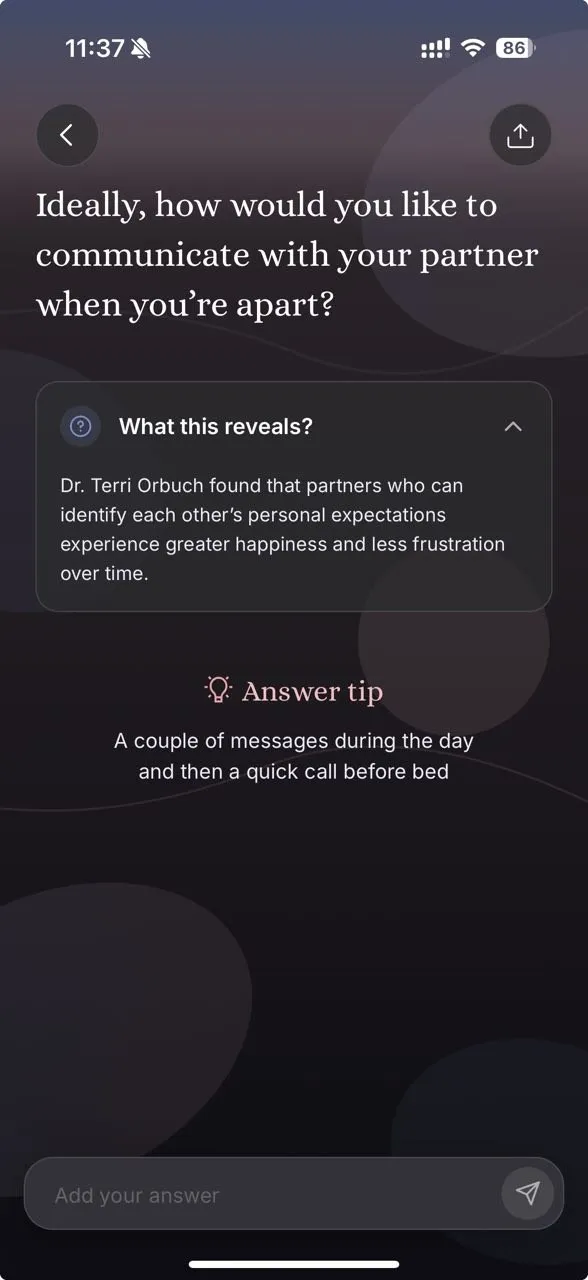
Long distance relationship struggles add another layer entirely. Without daily physical presence, a misread tone in a text can spiral into a full disagreement neither partner intended. Learning how to make a long distance relationship work often means over-communicating intent, saying 'I'm not upset, just tired' instead of assuming your partner will read it correctly. This is exactly the kind of context-aware nudge that apps like Cuddle try to provide through daily prompts, though a shared calendar and honest phone calls work for plenty of couples too.
How to rekindle romance in marriage after years of built-up conflict residue follows similar logic. Platonic intimacy, genuine friendship, inside jokes, shared curiosity, often needs rebuilding before the sexual intimacy definition even enters the conversation. Sexual intimacy, in relationship science, refers to physical and emotional vulnerability combined, not just physical acts. Couples wondering how to spice up intimacy usually get further by rebuilding emotional safety first; physical closeness tends to follow naturally after that.
Practical Steps to Handle Conflict Style Differences
Start by naming your style out loud to your partner. Saying 'I go quiet when I'm overwhelmed' changes how the silence gets interpreted. Next, agree on a pause signal for when either of you needs 20 minutes before continuing; the Gottman Institute recommends this exact break length to let cortisol settle. Finally, revisit unresolved arguments briefly once a week, rather than letting them pile into a backlog.
- Name your own conflict style first, before labeling your partner's
- Agree on a pause word and a real time to resume, not an indefinite one
- Watch timing — avoid hard conversations within an hour of high stress
- Debrief briefly after every disagreement, even the small ones
- Practice one non sexual intimacy gesture daily to keep the connection topped up
How to increase physical intimacy in a relationship ties directly into this repair work. Couples who feel emotionally safe after conflict report more comfort initiating physical closeness afterward. In my opinion, the couples who improve fastest treat conflict-style differences as information, not indictment. That single mindset shift does more than any script or technique.
When to Bring in Outside Support
Books like John Gottman's The Seven Principles for Making Marriage Work remain a solid starting point, and licensed couples therapists trained in Emotionally Focused Therapy can help when patterns feel too entrenched to shift alone. Daily coaching apps, structured therapy, and simply reading together all serve different needs. There's no single right entry point. Is it worth combining more than one approach? Often, yes: a book for framework, a therapist for depth, and a daily habit-building tool for consistency can work together rather than compete.
Seek a licensed therapist directly, rather than leaning on an app or a book alone, when conflict includes contempt that feels personal rather than situational, when one partner shuts down for days at a time, or when past hurts keep resurfacing mid-argument without resolution. Don't wait for a crisis to justify the call. In my opinion, couples wait far too long to book that first session, often after resentment has already hardened into something harder to untangle.
Want Daily Help Repairing Conflict?
Five minutes a day of guided reflection, built around real relationship-science frameworks.
Explore Cuddle's ApproachDisclosure: This page contains affiliate links. We may earn a commission at no extra cost to you.