
Is Jealousy Normal or a Red Flag in Relationships?
Is jealousy normal or a red flag? The honest answer is both — it depends on the size, the frequency, and what you do with it. A flicker of jealousy when your partner spends a Friday night with an ex is a normal human reaction. Constant suspicion, checking their phone, or controlling who they see is a different story entirely. If you've been asking yourself why do i feel jealous sometimes, you're not broken, and you're not alone — most people in committed relationships feel a pang of it at some point. What matters is whether jealousy stays a passing signal or becomes the pattern that runs your relationship. Working through these patterns together, sometimes with structured support like Cuddle, is one option worth exploring if the pattern feels stuck.

What Jealousy Actually Is
Jealousy is an emotional response to a perceived threat to something you value — usually your relationship or your partner's attention. In my experience talking with couples, jealousy on its own isn't the villain people assume it to be. It's often tied to attachment: when you care deeply about someone, some part of your brain stays alert to losing them. That alertness can show up as a normal, fleeting worry, or it can spiral into anxiety that has little to do with what's actually happening.
The confusion between healthy jealousy and a red flag usually comes down to intensity and evidence. Healthy jealousy notices a real situation and fades once you talk it through. Red-flag jealousy invents threats, ignores reassurance, and demands control. For example, feeling uneasy when your partner mentions a charming coworker is common. Demanding they quit their job over it is not.
Why Do I Feel Jealous Sometimes?
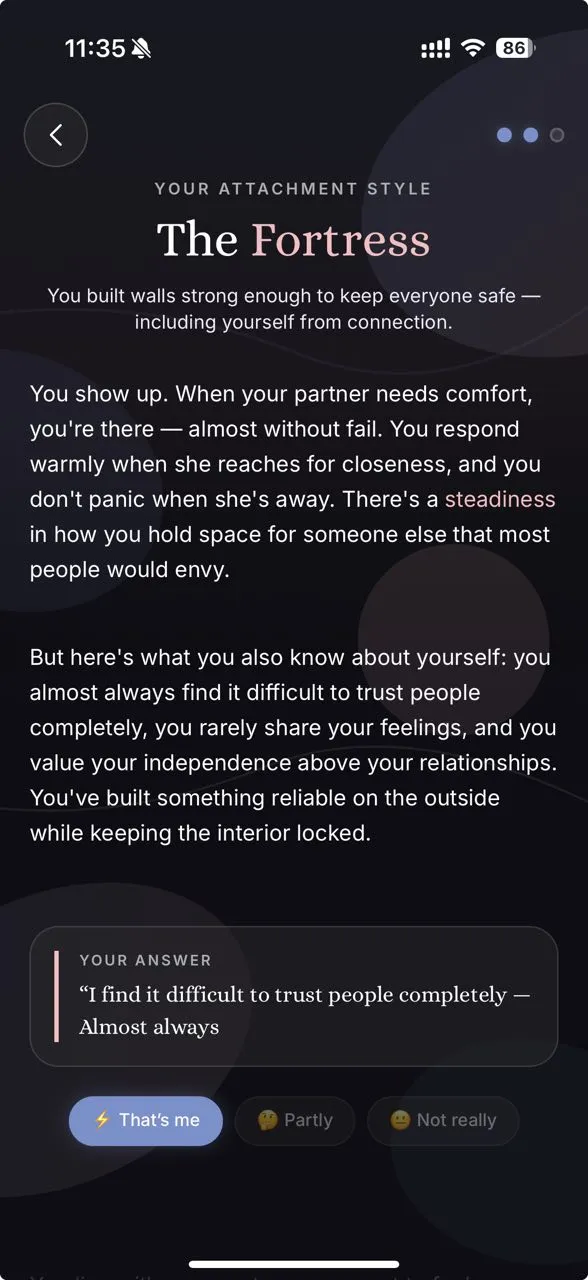
If you keep wondering why do i feel jealous sometimes, the roots are usually one of three things: insecurity, past betrayal, or attachment style. Someone with an anxious attachment style tends to fear abandonment more acutely, so ambiguous situations — a slow text reply, a night out with friends — can trigger a much bigger emotional response than the moment actually warrants.
Past experience matters too. I've seen partners who were cheated on in a previous relationship carry that wound into a brand-new one, reacting to a faithful partner as though they're guilty of something they didn't do. Therefore, the question isn't just "is this jealousy normal," but "where is this jealousy actually coming from." Naming the source is often the fastest way to calm the reaction.
When Jealousy Becomes a Red Flag
Jealousy crosses into red-flag territory when it starts controlling behavior instead of just producing a feeling. Watch for patterns like checking your partner's phone without permission, demanding they cut off friends, tracking their location obsessively, or reacting to reassurance with more suspicion rather than relief. These behaviors don't protect a relationship — they deepen the lack of intimacy problem further by replacing trust with surveillance.
A useful gut check: does the jealousy shrink after a conversation, or does it just find a new target? If every reassurance gets met with a new accusation, that's less about a single incident and more about a control pattern. In my opinion, that distinction is the single clearest way to separate an emotion from a warning sign.
How Building Emotional Intimacy Reduces Jealousy
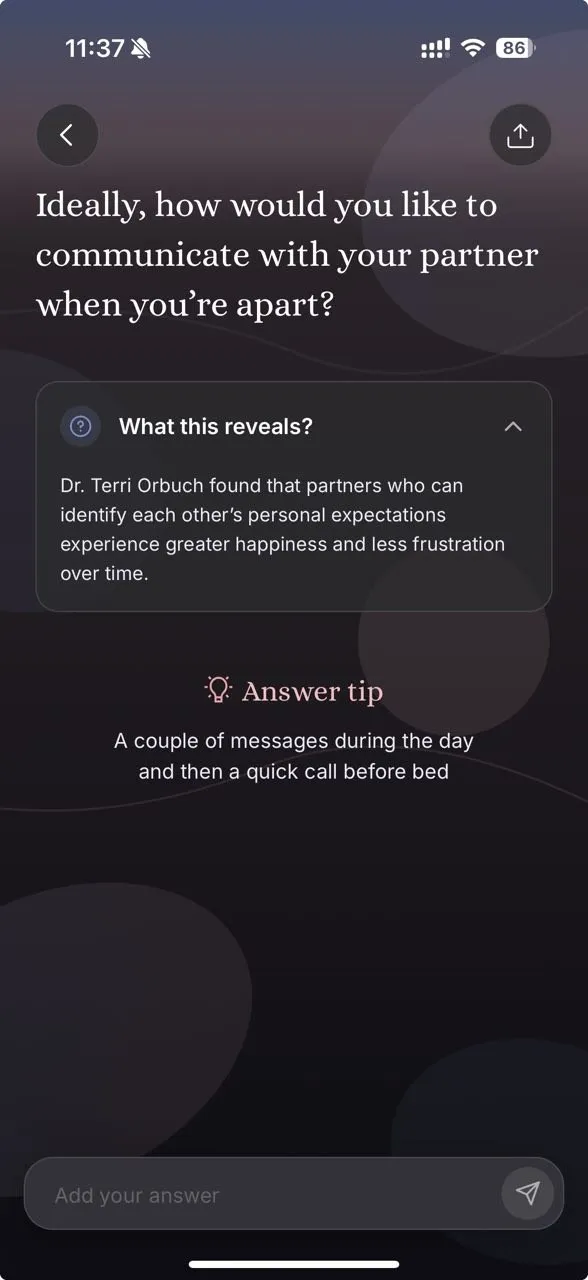
Building emotional intimacy is one of the most effective long-term antidotes to chronic jealousy, because most jealousy is really a fear of disconnection. Emotional intimacy definition, in plain terms, means feeling safe enough to share your inner world — fears, hopes, embarrassing thoughts — and trusting your partner to hold it with care. Couples with strong emotional intimacy don't stop feeling jealous entirely, but they talk about it instead of acting it out.
Emotional intimacy examples include a nightly check-in about how the day actually felt, admitting when you're insecure instead of picking a fight, or asking your partner what they need before assuming the worst. This is different from non sexual intimacy or platonic intimacy in name only — all three describe closeness that doesn't depend on physical touch, and all three lower the baseline anxiety that fuels jealous thinking. Apps built around daily reflection, such as Cuddle's Relationship Assistant, are one of several tools couples use to practice this kind of sharing consistently, alongside books on attachment or a couples therapist.
Physical and Sexual Intimacy Play a Role Too
Sexual intimacy definition matters here as well: it's not just sex, but the comfort of being physically close and desired by your partner. When couples want to know how to increase physical intimacy in a relationship, the answer usually starts with small, low-pressure touch — a hand on the back, a longer hug — before it gets to the bedroom. A lack of intimacy, physical or emotional, tends to widen the gap where jealousy and insecurity move in.
If you're wondering how to spice up intimacy after years together, novelty helps less than consistency does. Scheduling a weekly date, trying a new shared activity, or simply asking your partner what makes them feel desired does more for how to improve intimacy long-term than a single grand gesture.
Long Distance Relationship Struggles and Jealousy
Long distance relationship struggles amplify jealousy because ambiguity — the thing anxious attachment fears most — is built into the format. You can't see who your partner is with, so imagination fills the gap. If you're figuring out how to make a long distance relationship work, the fix isn't more monitoring; it's more predictable connection. A daily 10-minute call or a shared ritual does more to quiet jealousy than any amount of location-checking.
I've noticed that long-distance couples who set clear expectations — how often you'll talk, how you'll handle nights out, how you'll reconnect after time apart — report far less jealousy than couples who leave it unspoken. Predictability, not proximity, is what actually calms the nervous system. Structured daily check-ins, whether through a therapist-recommended routine or a tool like Cuddle, work for some couples; a simple shared calendar and honest conversation work just as well for others.
Turning Jealousy Into Information, Not Truth
So, is jealousy normal or a red flag? Most of the time, the feeling itself is normal — it's a signal, not a character flaw. What decides the outcome is what you do next: naming it out loud, checking it against reality, and rebuilding the emotional and physical closeness that makes ambiguity less threatening. Couples who treat jealousy as information instead of truth tend to come out closer, not further apart.
If you want a structured way to talk through jealousy and closeness, Cuddle offers guided daily exercises for couples.
Explore Cuddle's Guided ExercisesDisclosure: This page contains affiliate links. We may earn a commission at no extra cost to you.